Concert Preview: Symphony Tacoma presents “Dreams and Dances”
Concert Preview: Symphony Tacoma presents “Dreams and Dances”

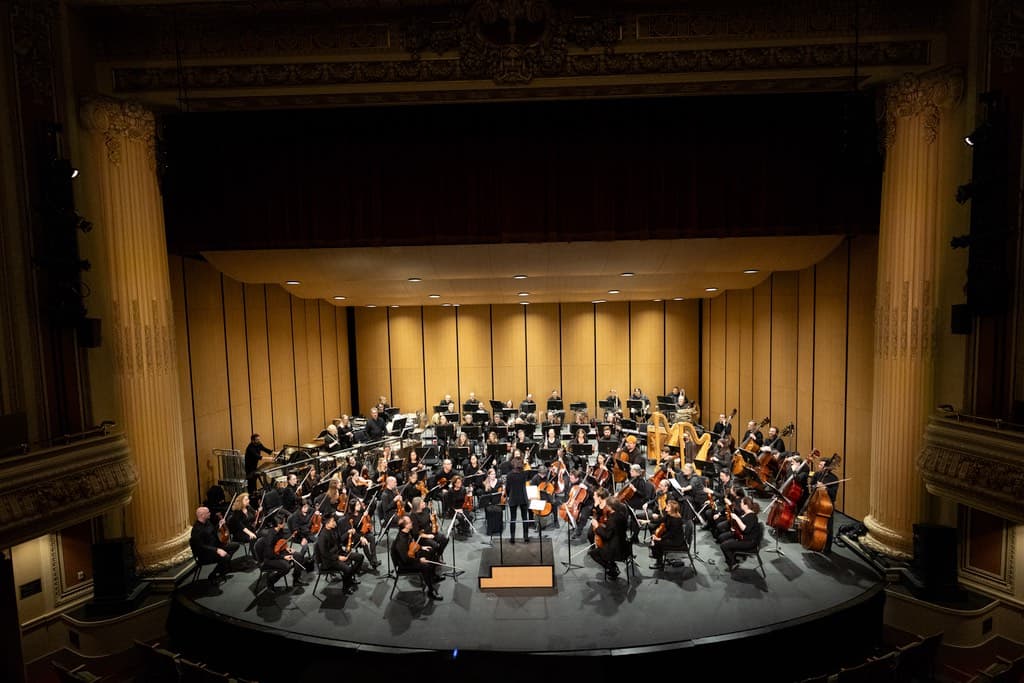
Symphony Tacoma invites audiences to Dreams and Dances (April 20, 2024), a musical odyssey highlighting an eclectic fusion of classical masterpieces and contemporary gems. This lively evening promises to be an unforgettable journey of symphonic exploration when the brilliant horn virtuoso Leelanee Sterrett takes center stage for Strauss Concerto No. 1 and renowned local mezzo- soprano Dawn Padula delivers a mesmerizing performance in De Falla evocative Suite from El Amor Brujo. Adding to the allure of the evening is the world premiere of local composer, Gina Gillie’s Reverie, a composition brimming with innovation and intrigue. And rounding out the program, promising to ignite the senses and leave hearts racing with excitement are Kodály’s enchanting Dances of Galánta and the infectious rhythms of Arturo Márquez’s Danzón No. 2.
Headlining this exceptional evening is Leelanee Sterrett, one of today’s foremost horn players, who brings a blend of passion, precision, and innovation to the world of classical music. Beyond her exceptional musicianship, Sterrett is well-known for her dedication to education and outreach, inspiring young musicians through masterclasses, workshops, and community engagement initiatives. Sterrett joins Symphony Tacoma for Richard Strauss’s Concerto No. 1 for Horn and Orchestra, a pinnacle of the horn repertoire that beautifully showcases the instrument’s lyrical beauty and technical prowess. From the tender lyricism of the opening movement to the exuberant energy of the finale, Strauss demonstrates his keen understanding of the horn’s capabilities, crafting a work that continues to fascinate audiences and inspire horn players worldwide, remaining a timeless testament to the enduring beauty and versatility of the horn.
Symphony Tacoma is honored to present the world premiere of local composer Gina Gillie’s Reverie, which is sure to emerge as a poignant addition to the contemporary orchestral repertoire. Gillie’s new composition promises to enchant audiences with its evocative melodies and rich harmonies. Drawing inspiration from the ethereal realm of dreams and imagination, Reverie unfolds like a musical tapestry, weaving together moments of tranquility and introspection with bursts of emotional intensity.